Root resorption causes
Wiki Article
Understanding Why Tooth Roots Break Down
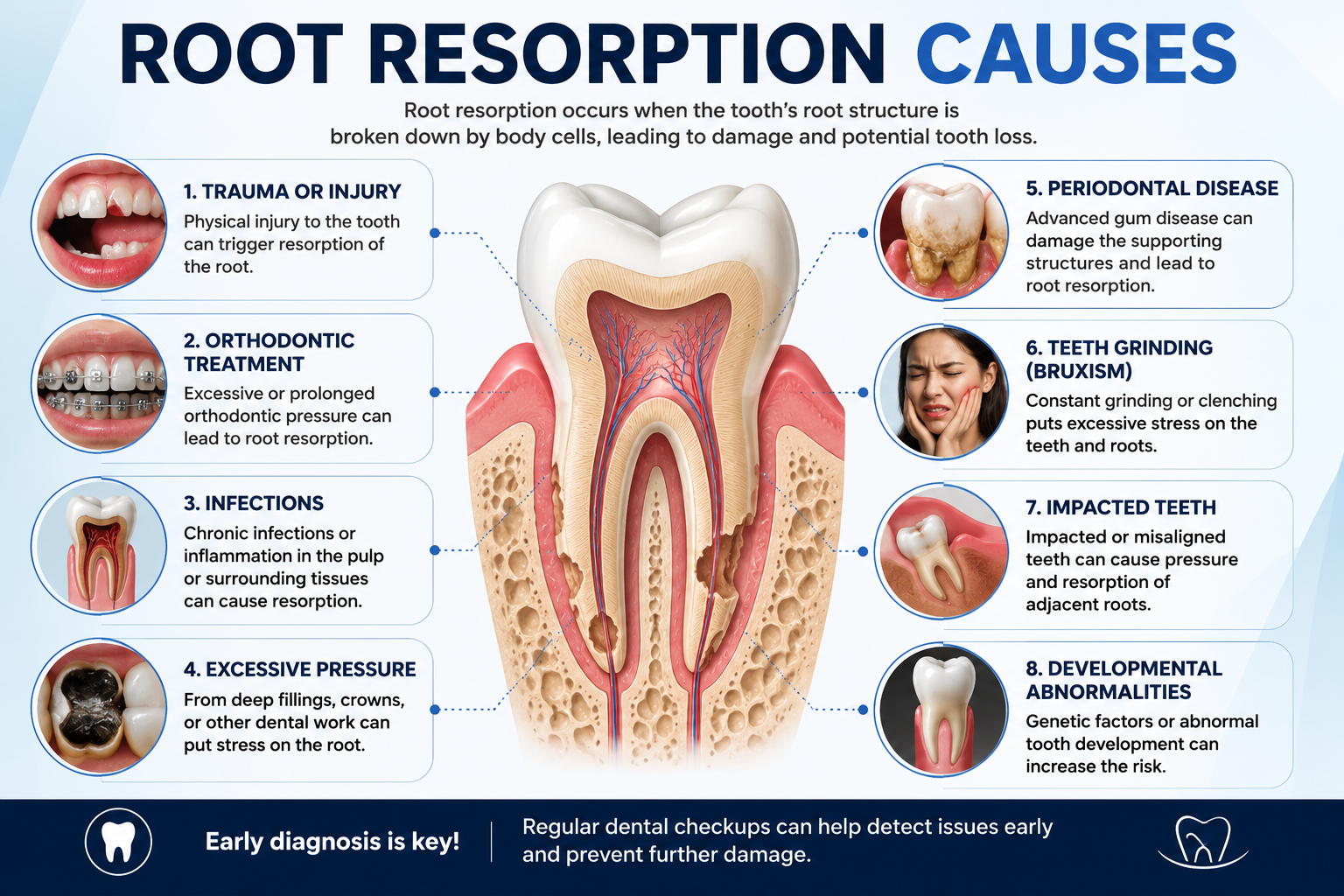
Most people are familiar with cavities and gum disease, but few have heard of root resorption until they receive a diagnosis from their dentist. Understanding root resorption causes is important because early detection can help preserve your natural teeth and prevent serious complications.
Root resorption is a condition in which the body gradually breaks down and absorbs part of a tooth's root structure. While this process is normal in baby teeth as they make way for permanent teeth, it is considered abnormal when it occurs in adult teeth. Unfortunately, many cases develop without noticeable symptoms, making regular dental examinations essential.
What Is Root Resorption?
Root resorption occurs when specialized cells begin dissolving the dentin and cementum that make up a tooth's root. The condition can affect the inside of the tooth (internal resorption) or the outer root surface (external resorption). External root resorption is generally more common than internal root resorption.
Without timely treatment, root resorption can weaken the tooth structure and potentially lead to tooth loss. This is why understanding root resorption causes is critical for maintaining long-term oral health.
Common Root Resorption Causes
Several factors may contribute to the development of root resorption. While some cases occur without a clearly identifiable reason, dental professionals have identified a number of common risk factors.
1. Dental Trauma and Injury
One of the most common root resorption causes is dental trauma. A blow to the mouth during sports, accidents, or falls can damage the supporting tissues around a tooth.
Even if the tooth appears healthy immediately after an injury, damage to the periodontal ligament may trigger the resorption process months or even years later. Patients who have experienced dental trauma should continue regular dental monitoring to detect potential problems early.
2. Orthodontic Treatment
Orthodontic treatment, including braces and clear aligners, applies controlled pressure to move teeth into proper alignment. In some cases, excessive or prolonged force can contribute to root resorption.
It is important to note that orthodontic treatment remains safe for most patients, and significant root resorption is relatively uncommon. Dentists and orthodontists routinely monitor root health throughout treatment to minimize risks.
3. Chronic Teeth Grinding
Teeth grinding, also known as bruxism, places repeated stress on the teeth and surrounding structures. Over time, excessive grinding may contribute to root damage and increase the likelihood of resorption.
Patients who frequently clench or grind their teeth may benefit from custom night guards and professional evaluation to protect their oral health.
4. Dental Infections
Untreated cavities, abscesses, and chronic infections can trigger inflammation within the tooth and surrounding tissues. This inflammation may contribute to internal root resorption and other forms of tooth damage.
Prompt treatment of dental infections is essential for preventing complications and preserving natural teeth.
5. Impacted Teeth and Abnormal Pressure
Impacted teeth, cysts, or other structures pressing against a tooth root can stimulate resorption. Wisdom teeth and impacted canines are common examples of teeth that may create abnormal pressure on neighboring roots.
Dentists often identify these issues through routine dental X-rays and recommend treatment when necessary.
6. Internal Inflammation
Internal root resorption frequently develops when inflammation affects the dental pulp. This inflammation may result from trauma, deep decay, or previous dental procedures.
Because internal resorption often progresses without obvious symptoms, regular examinations are crucial for early diagnosis.
Symptoms to Watch For
Many patients are surprised to learn that root resorption may not cause pain during its early stages. However, as the condition progresses, symptoms may include:
Tooth discoloration
Pink spots on the tooth surface
Increased tooth sensitivity
Swollen gums
Tooth mobility
Localized discomfort
Changes visible on dental X-rays
Because symptoms are often minimal, routine dental visits remain the best way to detect problems early.
How Dentists Diagnose Root Resorption
Diagnosing root resorption typically involves:
Comprehensive dental examinations
Digital dental X-rays
Cone Beam CT (CBCT) imaging when necessary
Evaluation of dental history and previous trauma
Advanced imaging technology helps dentists identify even small areas of resorption before extensive damage occurs.
Treatment Options
Treatment depends on the type, location, and severity of the resorption.
Common treatment options include:
Monitoring mild cases
Root canal therapy
Restorative dental procedures
Surgical intervention
Tooth extraction in severe situations
Dental implants when replacement is necessary
Early diagnosis often allows dentists to preserve the affected tooth and prevent further deterioration.
Can Root Resorption Be Prevented?
Although not every case can be prevented, patients can reduce their risk by:
Wearing mouthguards during sports
Treating dental injuries promptly
Attending regular dental checkups
Managing teeth grinding
Following orthodontic treatment recommendations
Maintaining excellent oral hygiene
Regular dental monitoring remains one of the most effective ways to identify potential problems before they become serious.
Schedule an Evaluation at Westborough Dentistree
If you are concerned about root resorption causes or have experienced dental trauma, persistent tooth sensitivity, or unexplained changes in your teeth, professional evaluation is essential.
At Westborough Dentistree, patients receive comprehensive dental examinations and personalized treatment plans designed to protect their oral health. Early diagnosis can make a significant difference in preserving natural teeth and preventing future complications.
Westborough Dentistree
164 Milk Street, Suite 6B
Westborough, MA 01581
Phone: (508) 366-2222
Schedule your appointment today to learn more about root resorption and the treatment options available for maintaining a healthy smile.
Report this wiki page